


 /
/ /
/ /
/ 008801700860845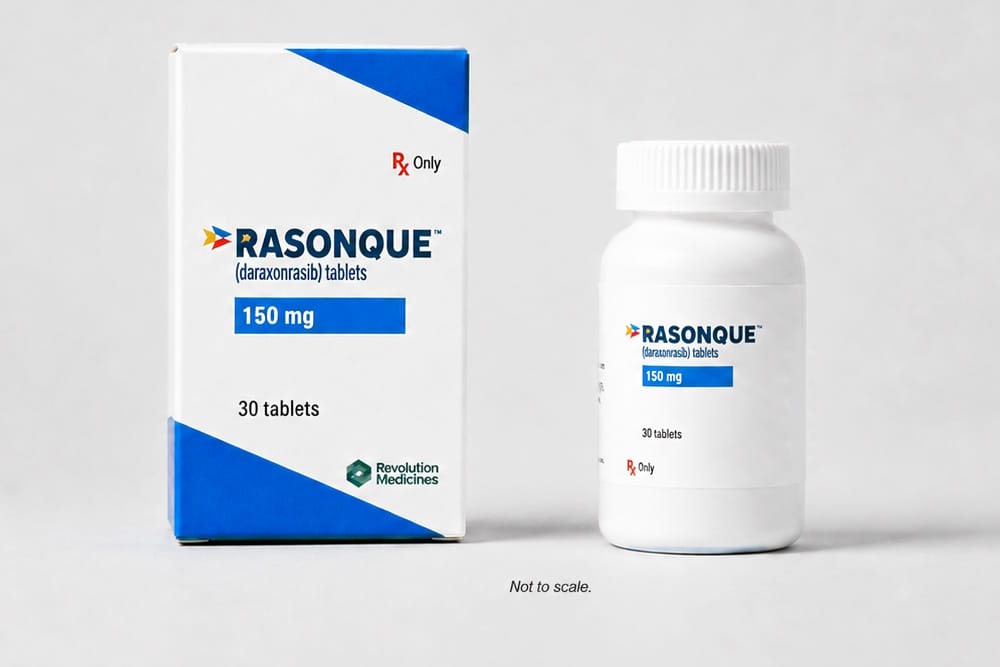
FDA批准首个同类靶向疗法,用于治疗转移性胰腺癌
2026年8月26日
FDA批准首个同类靶向疗法,用于治疗转移性胰腺癌
美国食品药品监督管理局(FDA)今日批准了 Rasonque(daraxonrasib)——一种RAS抑制剂,用于治疗最常见类型的胰腺癌。这一批准为晚期胰腺癌患者带来了新的治疗选择,并且比原计划提前数月完成审批。
此次行动体现了FDA加快创新药物审评、减少不必要延误,并推动能够真正改善美国患者及其家庭生活的创新疗法尽快进入临床应用的承诺。
Rasonque为每日口服一次的片剂,可靶向多种形式的RAS蛋白。RAS是大多数胰腺腺癌患者肿瘤生长的重要驱动因素。胰腺腺癌起源于胰腺导管内壁细胞。
FDA代理局长 Kyle Diamantas, J.D. 表示:
“今天的批准为面对这种极具挑战性、长期以来难以治疗的癌症患者提供了一个至关重要的新选择。尽快为患者带来更多治愈机会和具有临床意义的治疗方案,是我们的基本职责。我为FDA科学家们所付出的努力感到无比自豪,他们快速而严谨的审评以及坚定不懈的投入,使这一突破性里程碑成为现实。”
此次批准适用于:
既往至少接受过一种系统性治疗,或不适合接受多药联合系统性治疗的成年转移性胰腺腺癌患者。
根据美国国家癌症研究所(NCI)的数据,美国每年约有 67,000例 新诊断胰腺癌病例,其中约 90%–95%为胰腺腺癌。虽然胰腺腺癌仅占全部癌症诊断病例的大约 3.2%,但其癌症死亡负担却明显偏高,主要原因包括诊断通常较晚、疾病进展迅速,以及长期以来可用治疗选择有限。
在一项随机、开放标签、多中心临床试验中,共纳入 500名既往接受过治疗的转移性胰腺腺癌成年患者。结果显示:
- Rasonque组中位总生存期(OS):13.2个月
- 标准化疗组中位总生存期:6.7个月
FDA肿瘤卓越中心主任 Angelo de Claro, M.D. 表示:
“该药物在一个存在高度未满足医疗需求的领域显示出了前所未有的疗效。此次批准比处方药用户费法案规定的审评截止日期提前了6.5个月,再次体现了FDA致力于加快严重和危及生命癌症新疗法审批的承诺。”
FDA此前已授予Rasonque:
突破性疗法认定(Breakthrough Therapy Designation)
孤儿药资格认定(Orphan Drug Designation)
优先审评资格(Priority Review)
该申请还通过FDA局长的 国家优先审评凭证试点项目(Commissioner’s National Priority Voucher Pilot Program) 进行审评。该项目旨在加快针对国家公共卫生优先事项相关疗法的审评进程。
今年5月,FDA曾向申办方发出 “可安全开展(safe to proceed)” 通知,允许其启动Rasonque的扩大使用治疗方案,使符合条件的患者能够在正式批准之前,根据FDA相关法规获得该试验性药物。
最常见的不良反应
Rasonque最常见的不良反应包括:
皮疹、腹泻、口腔炎(口腔黏膜炎症)、恶心、疲劳、呕吐、腹痛、水肿、食欲下降以及出血。
FDA此次批准授予:
Revolution Medicines, Inc.
August 26, 2026
FDA Approves First in Class Targeted Therapy for Metastatic Pancreatic Cancer
The U.S. Food and Drug Administration today approved Rasonque (daraxonrasib), a RAS inhibitor for the most common form of pancreatic cancer—delivering a new treatment option to patients with advanced pancreatic cancer months ahead of schedule.
This action demonstrates the agency’s commitment to moving with urgency, reducing unnecessary delays and advancing innovative treatments that can make a meaningful difference in the lives of American patients and their families.
Rasonque, a tablet taken once daily, targets multiple forms of a protein called RAS, a key driver of tumor growth in most patients with pancreatic adenocarcinoma, which arises from cells lining the ducts of the pancreas.
“Today’s approval provides a critical new option for patients facing an extraordinarily difficult and historically hard-to-treat cancer. It is our fundamental duty to deliver more cures and meaningful treatments to patients as quickly as possible,” said Acting FDA Commissioner Kyle Diamantas, J.D. “I am immensely proud of the dedicated FDA scientists whose fast, thorough review and relentless commitment made this groundbreaking milestone a reality.”
The approval is for the treatment of adults with metastatic pancreatic adenocarcinoma who have received at least one prior systemic therapy or are not candidates for multiagent systemic therapy.
Approximately 90% to 95% of the 67,000 new cases of pancreatic cancer diagnosed in the United States each year are pancreatic adenocarcinoma, according to the National Cancer Institute. Despite representing roughly 3.2% of all cancer diagnoses, pancreatic adenocarcinoma accounts for a disproportionately high share of cancer deaths, owing to its typically late detection, aggressive disease course, and historically limited treatment options.
In a randomized, open-label, multicenter clinical trial involving 500 adults with previously treated metastatic pancreatic adenocarcinoma, Rasonque improved median overall survival to 13.2 months compared to 6.7 months for standard chemotherapy.
“This drug showed unprecedented results in an area of high unmet need,” said Angelo de Claro, M.D., director of the FDA’s Oncology Center of Excellence. “The approval was granted 6.5 months before the user fee deadline, demonstrating the FDA’s commitment to accelerating the approval of new cancer treatments for patients with serious and life-threatening conditions.”
The FDA granted Rasonque Breakthrough Therapy and Orphan Drug designations. Rasonque received Priority Review for this indication. The application was also reviewed under the Commissioner’s National Priority Voucher pilot program, which is intended to help accelerate the review of therapies that address national public health priorities.
In May, the FDA issued a “safe to proceed” letter allowing the sponsor to initiate an expanded access treatment protocol for Rasonque, enabling patient access to the investigational drug prior to approval under applicable FDA regulations.
The most common side effects of the drug are rash, diarrhea, stomatitis (inflammation of the mouth’s mucus membranes), nausea, fatigue, vomiting, abdominal pain, edema, decreased appetite, and hemorrhage.
The FDA granted the approval to Revolution Medicines, Inc.